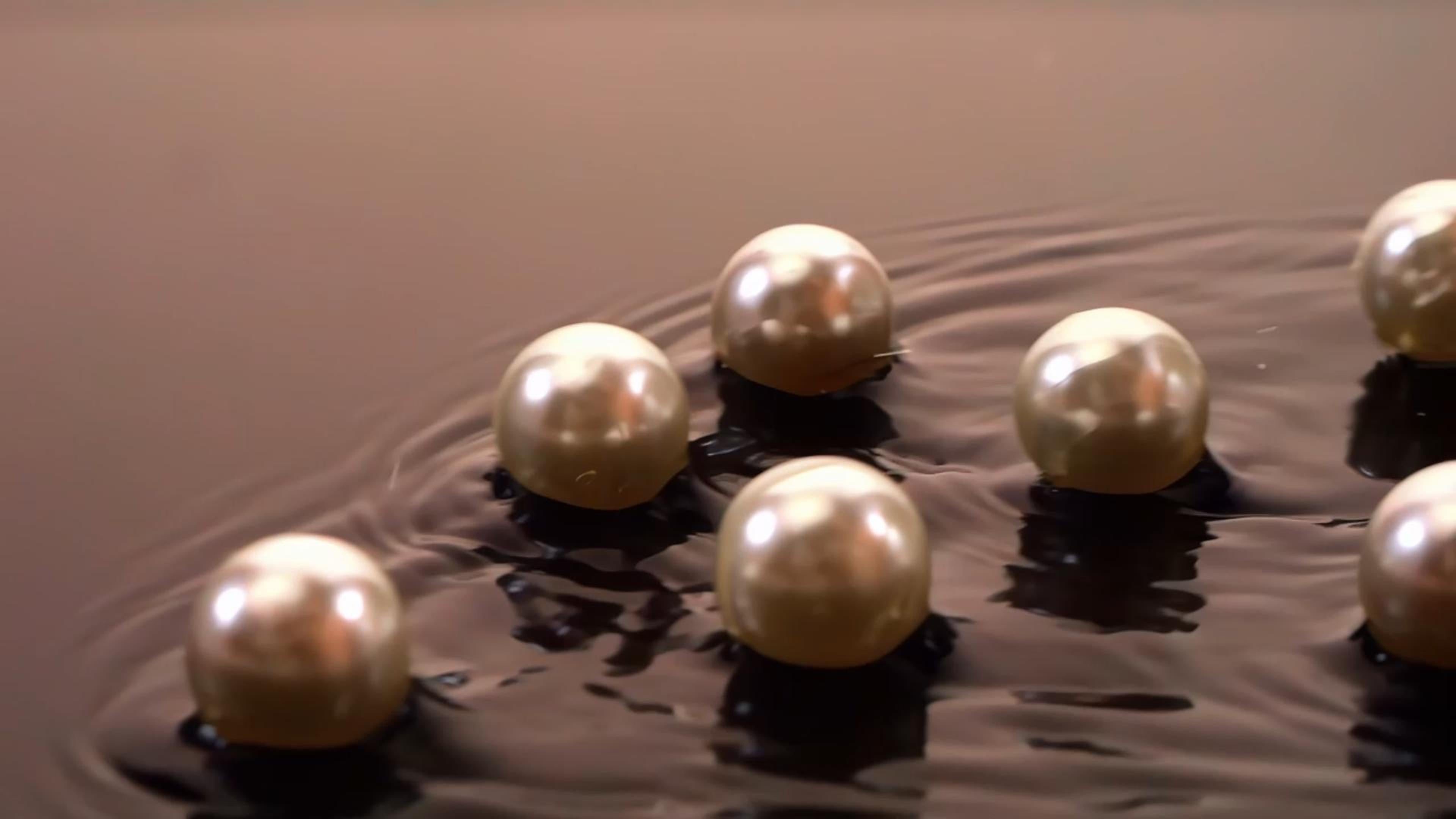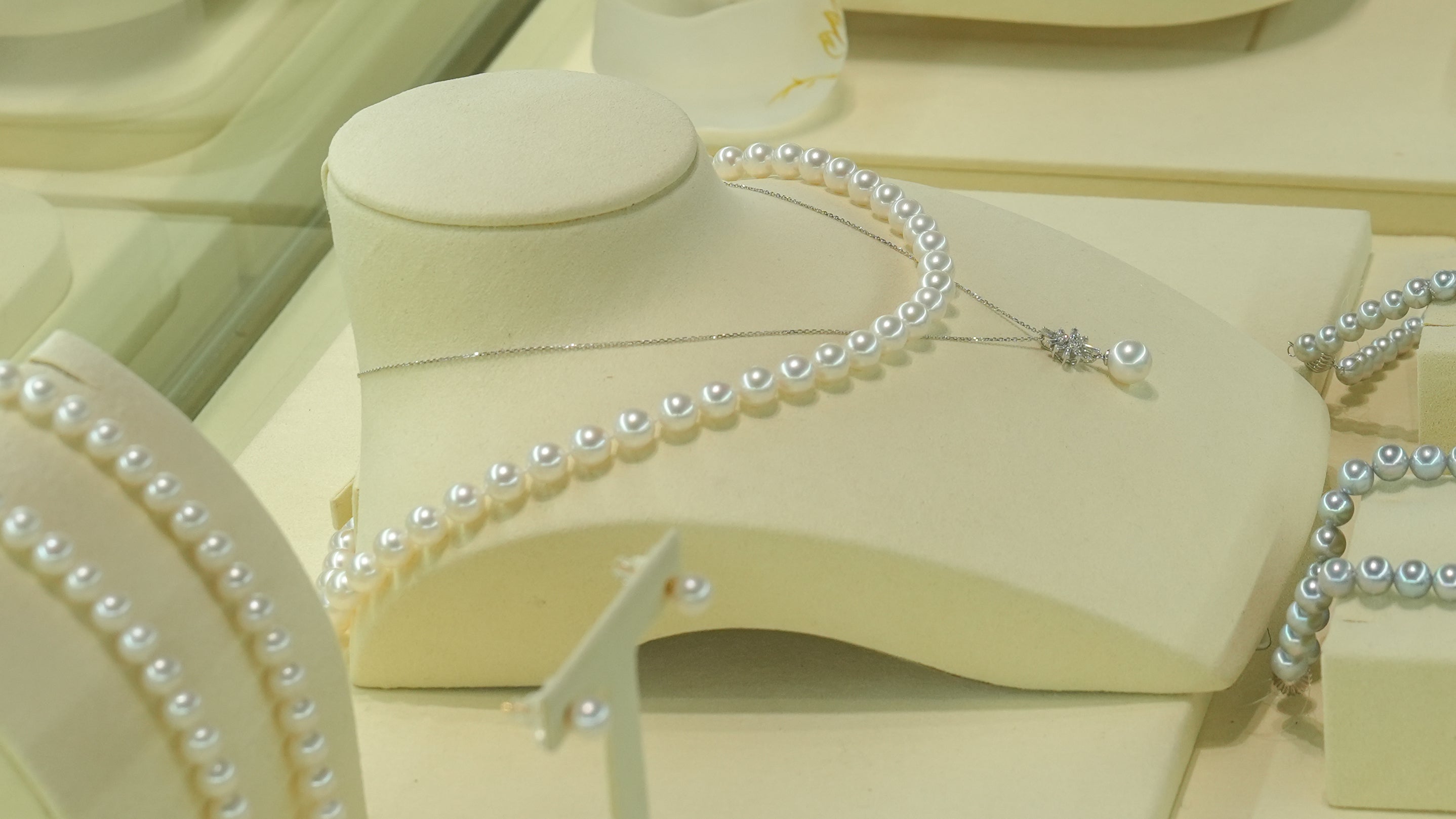
Why Choose Freshwater Pearl?
Pearls have a way of elevating even the simplest outfit, but choosing the "right" pearl can be confusing. Not all pearls are the same, and the differences go far beyond color. Pearl type influences everything from luster and size to price, durability, and how you'll actually wear your jewelry day to day.
Freshwater pearls are often the best (and most rewarding) place to start if you want pearls that feel refined but effortless: polished yet adaptable, elevated yet easy.
In this guide, we'll quickly review the primary pearl types, then dive into what makes freshwater pearls such a modern favorite with clear comparisons to other popular varieties along the way.
How Many Pearl Types Are There?
In fine jewelry, most cultured whole pearls fall into four major categories:
- Akoya pearls (saltwater, primarily Japan and China) are known for their classic round shape and bright, "mirror-like" luster. They're often used for timeless white strands and stud earrings.
- Tahitian pearls (saltwater, primarily French Polynesia) are prized for their naturally darker body colors and vivid overtones—green, blue, aubergine, and peacock-like flashes. They're often found in larger sizes.
- South Sea pearls (saltwater, Australia, the Philippines, and Indonesia) are celebrated for their large sizes, white or golden tones, and a soft, satiny glow.
- Freshwater pearls (freshwater lakes and ponds, primarily China) are loved for their naturally soft colors, variety of shapes and sizes, and strong value.
A rare specialty: Sea of Cortez pearls (saltwater, Gulf of California and the Baja region of Mexico) are sought after by collectors for their distinctive, often iridescent color play and extremely limited production.
Freshwater pearls are frequently the most appealing place to begin if you want pearls that look elevated yet feel easy, offer many styling options, and deliver excellent value. Now, let's look at why freshwater pearls are ideal for everyday luxury and long-term wear.
Freshwater Pearls: The Modern Classic
Freshwater pearls are timeless enough for special occasions while being comfortable and wearable on a daily basis. If you've noticed more people choosing freshwater pearls first (and then building entire collections around them), it's because they offer a rare combination of beauty, versatility, durability, and value.
Below is a practical guide to what makes freshwater pearls special—and why they're such a smart addition to your jewelry box.
1) A world of natural color (soft, flattering, and wearable)

Freshwater pearls are beloved for their naturally occurring pastel palette. Think creamy white, blush pink, peach, and lavender—tones that feel romantic yet modern. Because these colors are gentle and nuanced, they pair beautifully with both warm and cool metals and complement a wide range of skin tones.
If you like a bolder look, freshwater pearls also come in dyed shades, including "peacock"-inspired colors with blue-green and violet tones—perfect for adding edge to classic pearl styling.
Compared to South Sea and Tahitian:
South Sea pearls are famous for luminous white or golden luxury tones, while Tahitian pearls are known for naturally dark colors with dramatic overtones. Freshwater pearls sit in a wearable middle ground: soft, versatile, and easy to pair with everyday outfits.
2) Shapes that feel personal, not mass-produced

One of the most exciting things about freshwater pearls is their variety of shapes, from clean near-round pearls to organic baroques with one-of-a-kind character. This gives you more freedom to choose pearls that match your style:
- Classic & refined: round or near-round studs and strands
- Modern & artistic: baroque drops, irregular silhouettes, sculptural forms
- Minimal & everyday: small pearls on fine chains, tin-cup styles, dainty hoops
Compared to Akoya:
Akoya pearls are often more consistently round, which is perfect for traditional, uniform strands. Freshwater pearls offer more personality, especially if you love unique shapes that look curated rather than "factory-perfect."
3) One of the best quality-to-price ratios in fine pearls
Freshwater pearls are typically more accessible in price than many saltwater pearls (like Akoya, Tahitian, and South Sea). Because freshwater pearl farming can yield larger harvest volumes, you get more options at more price points without sacrificing the "real pearl" experience.
In plain terms: if you want a pearl piece you'll actually wear often, without saving it "for someday", freshwater pearls make that easy.
Compared to South Sea:
South Sea pearls are often positioned as rare, large, luxury statement pearls. Freshwater pearls let you build a wearable collection—earrings, necklaces, bracelets—at a pace that makes sense for real life.
4) Durability you can feel confident wearing more often
Pearls are delicate in spirit, but not all pearls are cultured the same way. Many freshwater pearls are tissue-nucleated, meaning they form around mantle tissue rather than a large bead nucleus. In many cases, this results in pearls that are nacre-rich, the luminous material responsible for a pearl's glow.
It's also worth noting that some freshwater pearls are bead-nucleated (for example, certain larger "Edison-style" pearls). Across all pearl types, freshwater and saltwater, durability is best evaluated by nacre quality, surface condition, and care.
Compared to many saltwater pearls:
Many saltwater pearls are bead-nucleated. They can be exceptionally lustrous and beautiful, but nacre thickness and surface quality vary by pearl type and farming practices. If you're looking for pearls you can wear frequently, freshwater pearls are a reliable, everyday-friendly choice—especially when you select good luster and clean surfaces.
5) More size range = more styling freedom
Freshwater pearls come in a wide span of sizes, from tiny and delicate to statement-making. That flexibility makes them ideal for building a pearl "wardrobe":
- Want subtle shine? Choose smaller pearls for barely-there elegance.
- Want impact? Go bigger with bold earrings or a graduated necklace.
- Want layering? Mix sizes for depth and a modern, styled look.
Compared to Akoya:
Akoya pearls are often associated with classic, consistent sizing in traditional strands, while freshwater pearls give you more size play, which is perfect for layering and modern proportions.
6) Freshwater pearls fit modern life (and modern wardrobes)
Pearls today aren't only for formal occasions. Freshwater pearls look right at home with:
- a crisp white tee and denim
- a silk slip dress
- cozy knits
- a blazer for work
- bridal looks that feel fresh, not overly traditional
They're also ideal for gifting because they feel meaningful without being overly specific—classic enough to be cherished, versatile enough to wear immediately.
Freshwater vs. saltwater pearls: what's the real difference?
Both can be stunning. The main difference is where they grow:
- Freshwater pearls are cultivated in lakes and ponds.
- Saltwater pearls grow in the ocean.
In general:
- Saltwater pearls are often prized for sharp, high-gloss luster and rarity (depending on type).
- Freshwater pearls are widely valued for their variety, approachable pricing, and everyday wearability.
If you're choosing your first pearl piece, building a collection you'll truly wear day to day, or simply unsure whether pearls suit your style, freshwater pearls are often the easiest and smartest place to start.
How to Choose a Great Freshwater Pearl (Quick Checklist)
When shopping, use the same core quality factors applied across fine pearls:
- Luster: look for a lively glow (not chalky or dull)
- Surface: fewer visible blemishes usually means higher grade
- Shape: round costs more; baroque can be equally beautiful and more unique
- Color: choose tones that flatter your skin and wardrobe
- Matching (for strands): consistency in pearl size, color, and luster matters
The Takeaway
Choose freshwater pearls if you want:
- beautiful natural colors and a wide variety of shapes
- strong quality-to-price value
- an ideal first step into pearl jewelry
- nacre-rich glow and everyday-friendly wearability
- modern versatility that fits real life, not just special occasions
Freshwater pearls aren't a "budget compromise." They're a modern essential—easy to love, easy to wear, and made to become part of your everyday story.